
Summary
Learning how to talk to your parent about assisted living requires empathy, patience, and a willingness to listen to their concerns and priorities. This conversation often develops over time through multiple discussions rather than a single decision point.
- Start conversations during calm, private moments when your parent has energy and focus, avoiding stressful times or medical appointments
- Lead with specific observations about daily challenges (like meal preparation or medication management) rather than conclusions about what they can or cannot do
- Listen to your parent's concerns—whether about privacy, routines, finances, or leaving their home—before offering solutions
- Paint a picture of everyday life in a community by discussing dining, programs, walking paths, transportation, and social opportunities rather than focusing only on care support
- Visit a community together so your parent can form their own impressions and ask questions directly
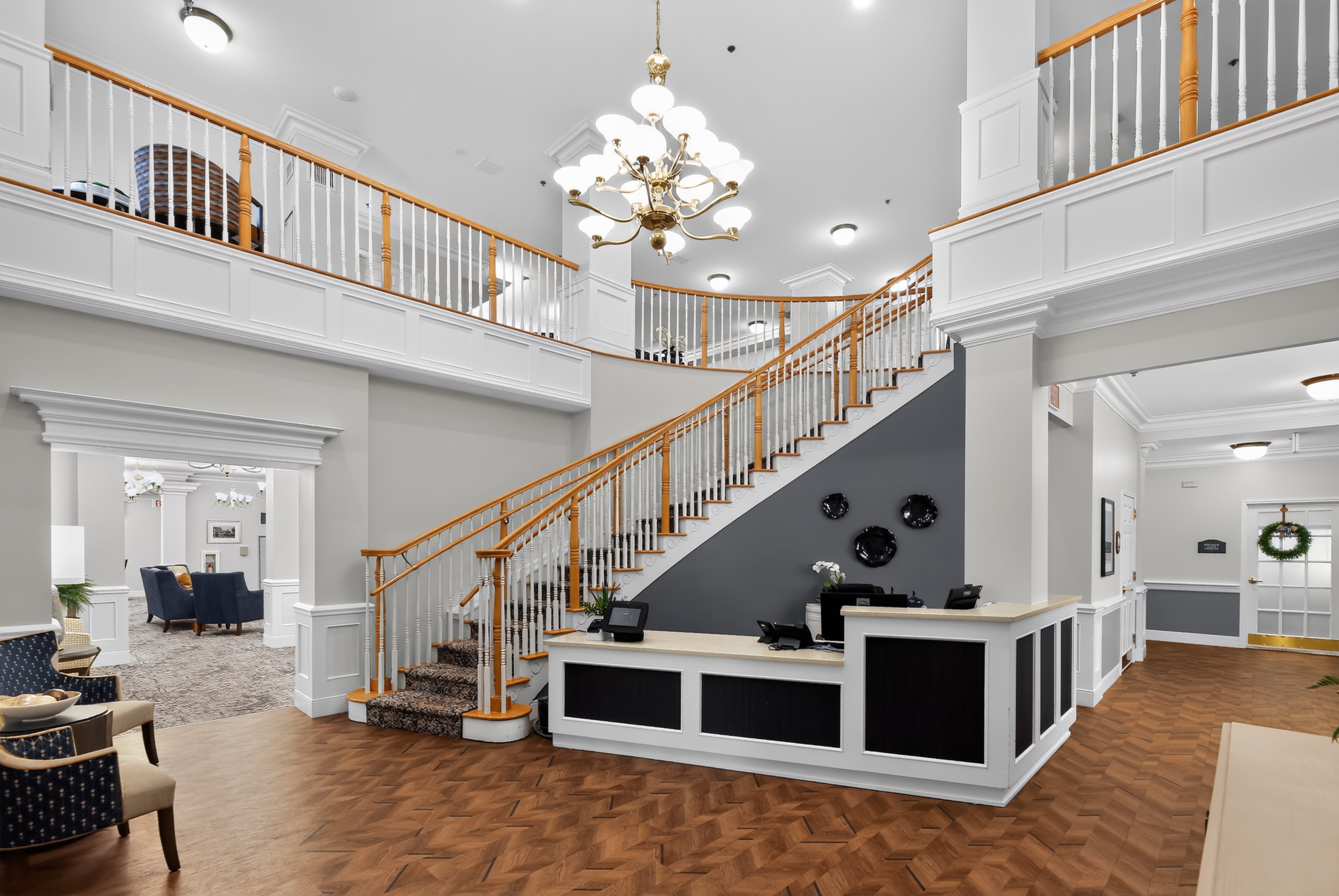
Starting a conversation about assisted living with your parent can feel difficult. You may want to respect their choices while also addressing changes you have noticed in everyday life. The most productive conversations begin with empathy, curiosity, and a willingness to listen. Rather than focusing on what your parent can no longer do, talk about what would make daily life easier, more comfortable, and more connected. For families in Windsor, NJ, Bear Creek Assisted Living offers a helpful example of what community living can look like, with personal support, home-style dining, wellness programs, gathering spaces, and opportunities to spend time with others.
Starting the assisted living conversation does not mean a decision has to be made immediately. For many families, the discussion develops over several conversations as everyone has time to ask questions, explore possibilities, and consider what matters most.
Choose the Right Time and Setting
Timing can make a meaningful difference when discussing senior living with aging parents. Avoid introducing the subject during a stressful moment, disagreement, holiday gathering, or medical appointment when emotions may already be running high.
Instead, choose a quiet time when you can talk privately without feeling rushed. A conversation over coffee, during a familiar drive, or while sitting together at home can feel more natural than a formal family meeting.
Think about when your parent typically has the most energy and focus. Give them your full attention, and allow plenty of room for pauses or questions. Approaching the assisted living topic with family members can be helpful, but too many people joining the first conversation may make your parent feel pressured. Consider involving one trusted relative initially.
Lead With What You Have Noticed
If you are wondering how to talk to a parent about assisted living, begin with specific observations rather than conclusions. Statements such as, “I noticed the stairs have been more difficult lately,” invite conversation. Statements that tell your parent what they can or cannot handle may put them on the defensive.
Changes worth discussing might include:
- Meals being skipped or becoming difficult to prepare regularly
- Medication routines becoming harder to manage
- Cleaning, laundry, shopping, or home maintenance becoming tiring
- Mobility changes making everyday routines more challenging
Ask your parent what they have noticed, too. They may already recognize that certain tasks have become more demanding but have not known how to bring the subject up.
Bear Creek’s Assisted Living option includes personalized assistance with everyday routines such as grooming, mobility, medication management, and other areas based on individual needs. Learning what support actually looks like can make the conversation more practical and less abstract.
Listen Before Offering Solutions
Talking to Mom about moving to assisted living, or having the same conversation with a father or another parent, is easier when listening takes priority over persuading.
Your parent may have assumptions about senior living based on experiences from many years ago. They may also have practical questions about privacy, meals, personal routines, friendships, finances, or what their days would look like.
Common concerns can include:
- Having less control over personal routines and decisions
- Leaving a familiar house, neighborhood, or longtime neighbors
- Adjusting to a different environment and meeting new people
- Wondering how often family and friends will be able to visit
Do not rush to dismiss these concerns. Ask follow-up questions and find out which issues matter most. Sometimes the concern that initially sounds largest is not the real obstacle.
For example, a parent who says they do not want to move may really be worried about giving up a favorite morning routine, leaving familiar furniture behind, or eating meals on someone else's schedule. Specific concerns are often easier to explore than a broad question about moving.
Talk About Everyday Life, Not Just Support
Helping a parent consider senior care does not have to center entirely on personal assistance. Talk about how community living could affect the ordinary parts of their day.
At Bear Creek Assisted Living, residents have access to home-style dining with restaurant-style service, housekeeping, scheduled transportation, a fitness center, a library, landscaped grounds, scenic walking paths, an outdoor garden, and a courtyard. The community also recently completed updates to its gathering spaces and other shared areas.
Its senior living programs include fitness and wellness opportunities, creative programs, games, educational offerings, social gatherings, dining experiences, and outings around the area.
Talking about these everyday details can help your parent picture what a normal Tuesday might look like, rather than viewing senior living as a single major life change.
Bear Creek Assisted Living also offers GLOW® Memory Care for residents living with Alzheimer's disease or other forms of dementia who may benefit from that specific level of support. The two living options serve different needs, so families can ask the community to explain which option may be appropriate for their situation.
Visit a Community Together
Starting the assisted living conversation often becomes easier once your parent has seen a community firsthand. A visit gives them an opportunity to form their own impressions instead of relying on assumptions about senior living.
During a tour, encourage your parent to:
- Look at apartment homes and shared gathering spaces
- Ask how personal routines and preferences are accommodated
- Learn about dining, transportation, housekeeping, and wellness programs
- Explore the library, fitness spaces, walking paths, courtyard, and outdoor areas
- Ask questions directly and take time to notice how the community feels
Bear Creek’s community amenities and living spaces can also be reviewed before your visit, which may help your parent identify questions they want to ask.
A tour should be an information-gathering step, not an ultimatum. Give your parent room to react honestly afterward. They may like certain features, dislike others, or simply need more time to think.
Keep Your Parent Involved in the Decision
Respecting your parent's voice is essential throughout the process. Ask what they would want from a community rather than deciding their priorities for them.
Perhaps they care most about having an inviting outdoor space. Maybe dining matters more, or they want a community with programs they would genuinely enjoy. Someone else may prioritize transportation, apartment layout, proximity to family, or quieter places for reading and relaxing.
These preferences can become useful criteria when comparing communities. They also reinforce that your parent remains an important participant in decisions about where and how they live.
If they are not ready after the first conversation, keep communication open. Unless circumstances require an immediate change, giving your parent time to absorb information can lead to a more productive discussion later.
What if my parent immediately says no to assisted living?
Listen to the reasons behind the response rather than immediately trying to change their mind. Understanding their specific concerns can guide future conversations.
Should the whole family be involved in the conversation?
Family input can help, but a large group may feel overwhelming. Starting with one or two trusted people can create a more comfortable discussion.
How can I make senior living feel less unfamiliar?
Review community information together, talk about everyday routines, and visit in person. Seeing apartment homes, dining spaces, programs, and outdoor areas can replace assumptions with firsthand information.
When should we start discussing senior living?
It can be helpful to begin before a decision becomes urgent. Early conversations give your parent more time to explore choices, ask questions, and express preferences.
Continue the Conversation With Respect
Knowing how to talk to your parent about assisted living is less about finding one perfect sentence and more about creating an ongoing conversation. Listen carefully, focus on your parent's priorities, and explore practical options together. If Bear Creek Assisted Living is part of your family's search in Windsor, NJ, you can schedule a personalized tour to see the apartment homes, gathering spaces, dining areas, programs, and community setting in person.